Seasonal Performance Data: Shaping Bankroll Allocation for Multi-Sport Accumulators
Morgan Brooks · Nov 5, 2026
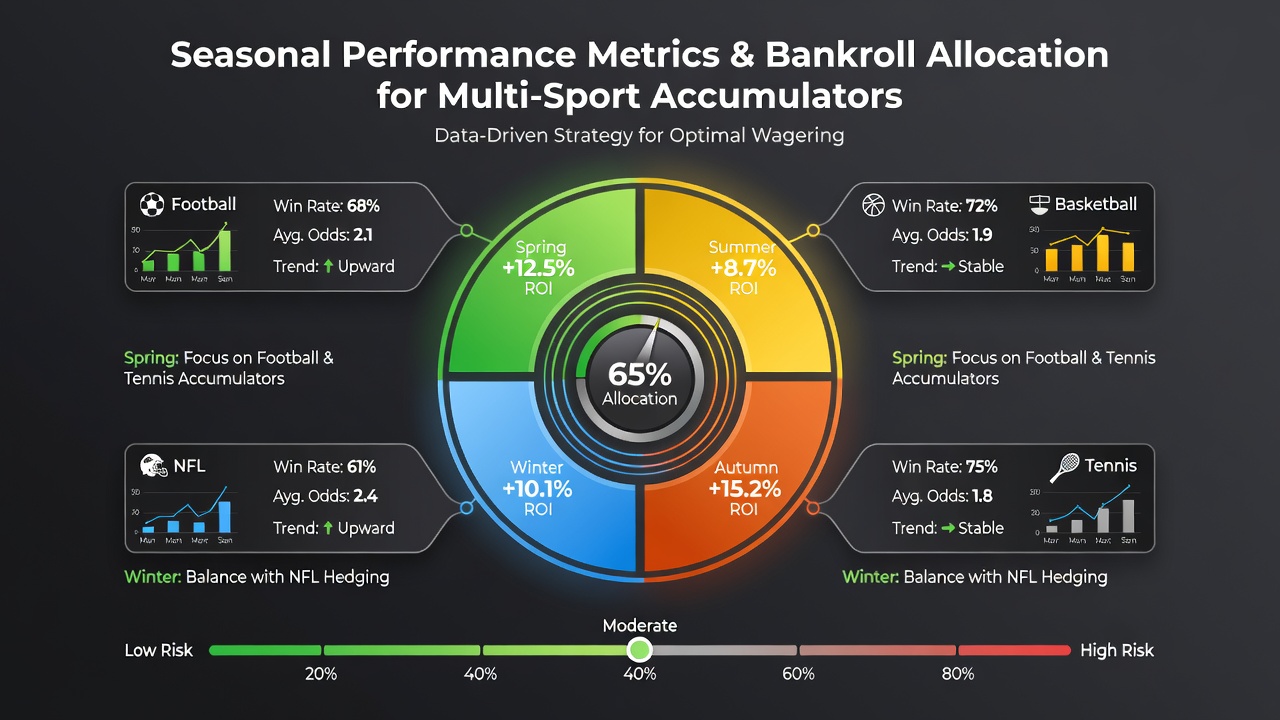
Seasonal Performance Data: Shaping Bankroll Allocation for Multi-Sport Accumulators
Seasonal performance metrics provide structured data points that inform how bettors distribute funds across multi-sport accumulator selections, and observers note these figures shift with each calendar cycle because weather patterns, player rotations, and league schedules alter outcomes in measurable ways. Data from multiple leagues shows that winter months often produce tighter margins in outdoor sports while indoor events maintain steadier averages, which leads many to adjust stake sizes accordingly rather than apply fixed percentages year-round.
Tracking Metrics Across Different Seasons
Analysts compile historical results from football leagues, basketball conferences, and tennis tours to identify recurring patterns, and these compilations reveal that certain teams or players post higher success rates during specific quarters of the year because travel demands, injury recoveries, and fixture congestion create predictable variances. Researchers at academic institutions have documented how early-season form differs from mid-season peaks, while late-season fatigue influences final standings in measurable percentages across competitions.
Bankroll allocation models incorporate these seasonal indicators by scaling exposure levels up or down based on alignment between current conditions and historical benchmarks, so a bettor might assign larger portions to accumulators when multiple sports show favorable overlaps in November 2026, such as strong home records in European football combined with consistent serving stats in indoor tennis events. This approach relies on aggregated statistics rather than isolated matches, which allows for broader distribution across selections spanning several disciplines.
Applying Data to Accumulator Construction
Multi-sport accumulators combine outcomes from unrelated events, and seasonal metrics help determine appropriate risk thresholds by highlighting periods when cross-sport correlations strengthen or weaken, according to studies from the American Gaming Association. For instance, figures from North American basketball leagues indicate elevated scoring outputs during November windows, whereas European football data points to defensive stability during similar timeframes, which influences how much total stake gets divided among legs in a single accumulator ticket.
Those who review performance databases adjust allocations by weighting each sport's seasonal reliability, and this process involves calculating variance coefficients that account for home advantage fluctuations and rest-day advantages. Evidence from compiled league reports demonstrates that accumulators built during transitional months benefit from smaller individual stakes spread across more combinations, whereas peak periods support concentrated positions when multiple indicators converge positively.
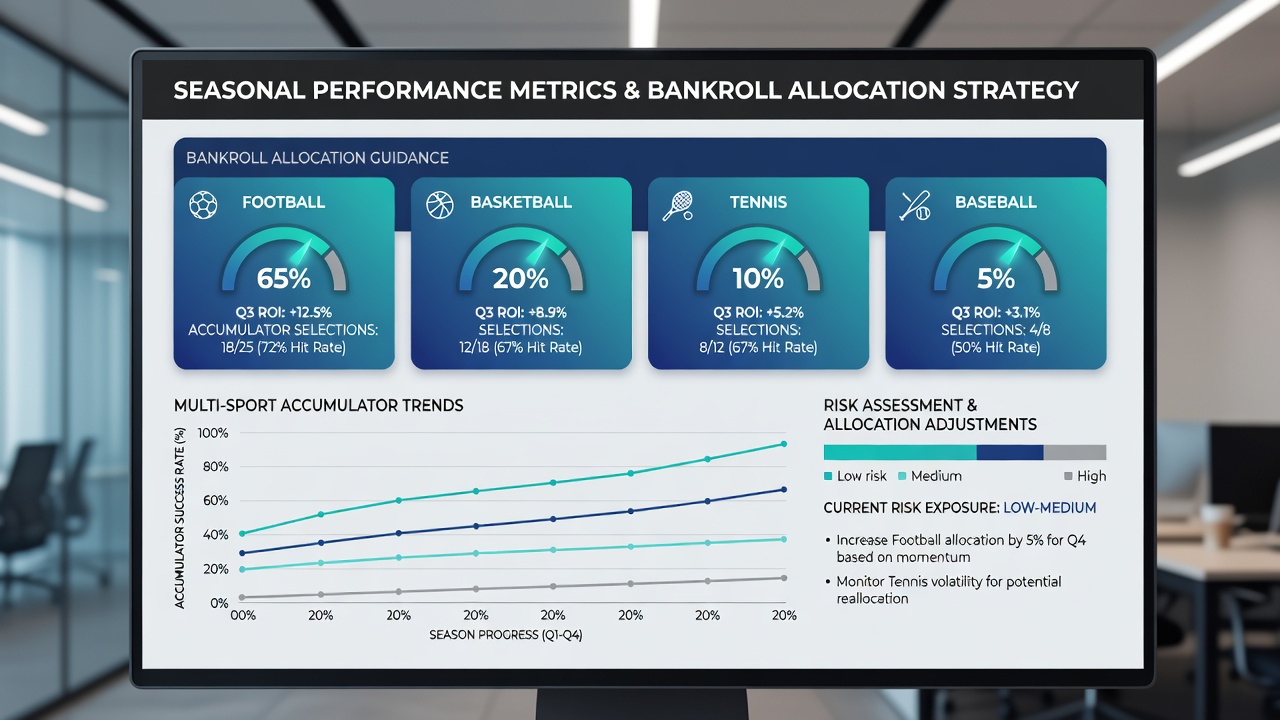
Regional Variations and Calendar Influences
Geographic differences add another layer because southern hemisphere seasons invert typical patterns observed in northern markets, and data from Australian and South African competitions illustrates how summer schedules affect player availability in ways that diverge from European winter trends. Bettors who monitor these global calendars often rebalance portfolios to capture opportunities in one region while reducing exposure elsewhere, using metrics such as points-per-game averages and set-win percentages segmented by month.
Industry reports from the European Gaming and Betting Association highlight how regulatory environments in various jurisdictions track seasonal betting volumes alongside performance statistics, which provides additional context for allocation decisions without prescribing specific strategies. These records show steady participation across accumulator formats even as underlying sport outcomes fluctuate with the seasons.
Conclusion
Seasonal performance metrics serve as reference points that guide bankroll distribution in multi-sport accumulator selections by supplying quantifiable trends across leagues and time periods. Observers continue to examine how these datasets evolve with each new cycle, and the integration of such information supports more measured approaches to stake management in combined betting formats.